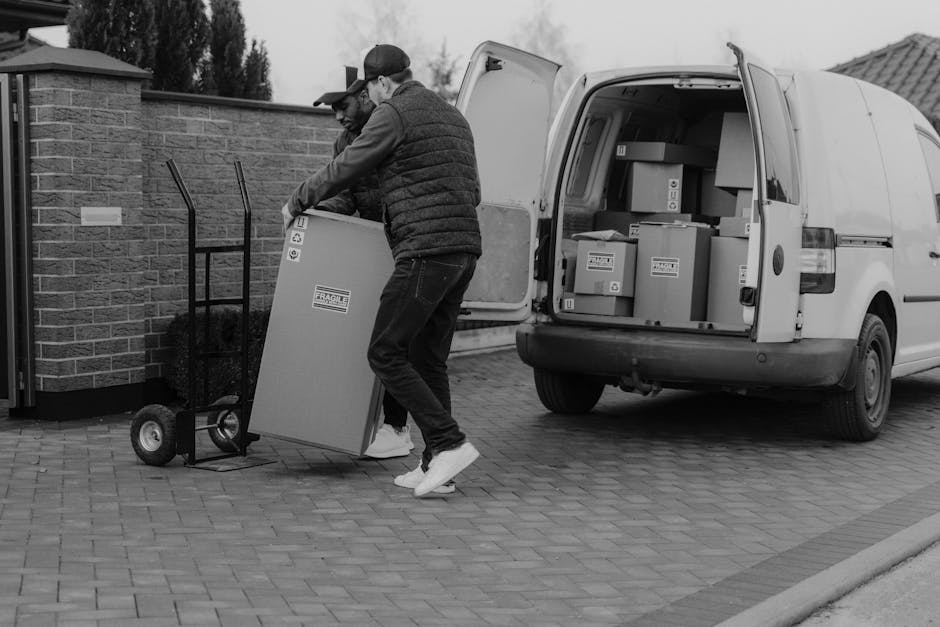
Man With Van in Eltham

Our man with van in Eltham service is built for straightforward local moving, careful transport and practical loading support when you want help moving items without unnecessary complexity. We handle home moves, single-item collections, furniture pick-up and other removal tasks that suit a van-based service. The emphasis is on sensible planning, careful handling and a tidy, organised approach so your move feels manageable from the first enquiry through to the final drop-off.
We work with customers who need a compact moving option for flats, shared homes, downsizing projects, furniture purchased online or small office transfers. The service can suit a one-off item, several rooms of belongings or a more structured move where access is tight and a full lorry would be excessive. If you need a practical removals option in Eltham, this page sets out the main choices clearly and shows where a quotation request fits in.
For a better fit, you can also look at home moves and furniture pick-up if you want to see how different jobs are commonly arranged. The right option depends on what needs moving, how far it is going, the amount of loading support needed and whether there are stairs, narrow entrances or other access points to consider. A clear description of the items is usually the best starting point.
Everyday moving help for homes and small loads
A man and van service is often chosen because it offers flexibility. It can suit customers who have a few bulky possessions, carefully packed boxes, furniture that needs lifting, or mixed household contents that are easier to move in stages. Rather than planning around a large vehicle and a large crew, the job can be matched more closely to the load, the route and the time needed for collection and delivery.
That practical approach is useful when a move is not a full property clearance but still needs more than a quick car journey. We can help with sofa collections, bed frames, tables, chairs, white goods and general household belongings, provided the items are suitable for manual handling and van transport. If you are comparing options, our man with van and removal services pages are useful starting points for understanding the wider service range.
Typical jobs often involve a mix of lifting, carrying, securing and careful placement at the destination. Protective packing and sensible stacking matter because a van load can shift if it is not arranged properly. For awkward or fragile pieces, it helps to separate what can be dismantled, what needs padding and what should be loaded last for easier access. The best result usually comes from matching the moving method to the item, not the other way round.
House moves arranged around the load

Some customers use a van service for a small house move, a flat move or a partial relocation where only selected rooms are going to a new address. That can include furniture, clothes, books, kitchen items and boxed belongings, along with larger pieces that would be awkward to move in a personal vehicle. The service can be scaled to the size of the job, making it more suitable for limited access, short-notice changes or smaller quantities of furniture.
If you are moving from a studio, maisonette or compact family home, the key question is often not how large the property is, but how much needs transporting and how it should be handled. Items may need disassembly before loading, and some can be easier to move if they are grouped by room. For more structured household moving, you may want to review house movers and house removals to compare wording and service focus.
Planning the lift, the route and the order
A useful moving plan starts with the heaviest pieces, the most fragile items and the most difficult access points. That may mean moving wardrobes first, then boxed goods, then the smaller items that fill gaps in the van. Doors, stairways and parking positions can affect how long the loading stage takes, so the sequence matters. A calm, methodical approach helps prevent rushing, which is especially important where furniture has to pass through tight internal spaces.
Office and commercial removals with a simple setup
A van-based moving service can also work well for small business transport and office relocation jobs. That might include desks, office chairs, filing cabinets, stock, archive boxes, shop fittings or equipment being moved between premises. It is often a practical option where the business needs a concise moving arrangement rather than a complex commercial relocation plan. If the load is modest, the vehicle size and loading support can be tailored to keep the process efficient.
Commercial customers usually want a clear schedule, a sensible loading order and enough care to avoid unnecessary disruption. We can move items that are ready for transport, and we can also assist where furniture needs handling in stages because access is shared or space is limited. For related service information, office relocation services and office removals provide useful internal detail for business customers deciding what they need.
In commercial jobs, the main decision is often whether to move everything in one go or separate the task into manageable collections. A compact van can be especially useful for small offices, studios and independent traders with fewer bulky items. It is also helpful when the destination is a high street unit, an upper-floor office or another location where parking and access call for a careful, measured approach rather than a larger vehicle.
Furniture pick-up, collections and one-off transport

One-off transport is a common reason people choose this service. Perhaps you have bought a wardrobe, sofa, dining set or other item that needs collecting from a seller and taken to your home or storage space. Perhaps you need a single appliance moved without arranging a full house removal. These smaller jobs still need secure loading, attention to dimensions and a vehicle that can carry the load safely.
Furniture pick-up jobs are often more straightforward when the item has been measured in advance and the collection point is described clearly. A bed base that is too large for a narrow staircase, for example, may need different handling from a boxed item that can be carried upright. If you want to compare related pages, man with a van and moving van offer additional context on moving methods and vehicle-based transport.
Useful preparation can be simple: check whether an item can be dismantled, protect glass or polished surfaces, and make sure the path from the property to the vehicle is clear. If the seller’s property has limited access, it may also help to confirm whether there are steps, lift restrictions or waiting restrictions near the collection point. These small details can affect the handling plan more than the item itself.
Packing, unpacking and handling support
Some moves need more than transport alone. Boxes may have to be sealed properly, fragile items may need cushioning and awkward household pieces may need to be protected during loading. Packing and unpacking support can make a genuine difference when customers are short on time or dealing with mixed items that are not yet ready to travel. It also helps when the move includes breakable possessions, loose fittings or household goods with multiple parts.
Our packing and unpacking services page is relevant if you want a clearer picture of this part of the work. A structured packing approach helps identify what can be stacked, what must remain upright and what should be kept together. It also reduces confusion at delivery because the same room grouping or label can be used when unloading at the destination. That is especially useful where several people are sharing the same move.
What to think about before packing begins
Good packing is less about filling boxes quickly and more about making each item stable enough to survive loading, travel and unloading. Heavy items belong in smaller boxes, while light but bulky goods can use larger containers if they are sealed securely. It is also worth keeping screws, shelf pins and dismantled fittings together so furniture can be rebuilt without searching for parts later. The aim is order, not overpacking.
Vehicle choice, access and loading decisions

The size of the vehicle matters, but so does how the load is arranged. A smaller move may be perfectly suited to a compact van, while a fuller household load may need more thought about stacking and the order in which items are brought out. Narrow roads, basement access, upper-floor flats and loading restrictions can all influence how the job should be approached. The vehicle is only one part of the plan.
If you are choosing between service styles, man and van removals and moving truck can help you compare a lighter transport option with a larger moving method. The practical question is whether your items will fit comfortably with enough protection around them. A job that is technically possible can still benefit from a better loading strategy if furniture is delicate, top-heavy or difficult to carry.
Access details are worth sharing early because stairs, distance from parking and the need to lift items over thresholds can affect timing and handling. A flat entrance on a busy road will not be approached in the same way as a ground-floor collection with nearby parking. The more accurately the job is described, the easier it is to match the transport plan to the items rather than making last-minute adjustments.
About Eltham
Eltham is a district in the Royal Borough of Greenwich in south-east London, known for a landscape that combines older village traces, suburban development and green spaces. Its most recognisable historic site is Eltham Palace, a former royal residence later remodelled in the 1930s in an Art Deco style, standing beside medieval survivals that reflect the area’s long past. The district also contains Eltham High Street, where local shopping, services and everyday movement have long centred the neighbourhood. Green chain routes and open spaces are part of the wider character of the area, including parts of Oxleas Wood, Eltham Park North and Eltham Park South. These green places give the district a noticeable amount of tree cover and walking space compared with denser inner parts of London. The railway has played a major role in shaping modern Eltham, with stations such as Eltham, Mottingham and New Eltham linking the district to central London and surrounding suburbs. Nearby boundaries connect Eltham with areas including Kidbrooke, Woolwich and Sidcup, while the local street pattern still shows the shift from older settlement cores to later residential estates. The area’s character is therefore a mix of heritage, transport connections, open parkland and everyday suburban life, with architecture ranging from historic buildings to twentieth-century housing and local centres built for community use.
Removal options for different property types
Not every job needs the same approach, and property type often shapes the moving plan. A student flat, a family terrace and a top-floor apartment can all require different loading sequences, lifting methods and vehicle positioning. The service can suit a straightforward move of boxes and furniture, but it can also help where the belongings need to be split into loads or where certain pieces are too bulky to move without assistance.
For customers comparing broader options, removals and removal company provide a wider view of the moving services available from a van-based provider. This can be helpful if you are deciding whether you need a compact local move or a more structured removal arrangement. The difference is often in scale, handling and coordination rather than in the type of items moved. A clear description of what needs moving will usually point to the right option.
When a van-based move is a sensible fit
This type of service often suits a smaller inventory, a flexible moving day or a short journey where careful loading matters more than large-scale logistics. It can also be a practical choice where items are already boxed, where furniture is ready to dismantle, or where the customer prefers a simpler setup than a full house removal. The aim is to move what you need without adding unnecessary complexity to the day.
Quotations, price factors and how to prepare

When requesting a quotation, it helps to describe the items, the collection and delivery points, access conditions and any pieces that need disassembly or extra care. A good quote normally depends on the volume of the load, the amount of lifting involved, the distance travelled and whether the job needs additional handling support. If you are comparing prices across different moving options, the clearest description usually leads to the most accurate estimate.
Our pricing and quotes page gives a useful place to start if you want to understand how the move can be assessed. It is also sensible to mention whether there are parking constraints, steps, lift use or a preferred time window, because these practical points affect how the job is arranged. You do not need a long list, but a short and accurate summary helps the quotation reflect the real work involved rather than a rough guess.
Request a quote when you are ready and we can help shape the right van-based moving arrangement for your job. If you would like to move forward, visit our contact us page to request a quotation and share the basics of what needs moving. A concise enquiry is usually enough to begin.